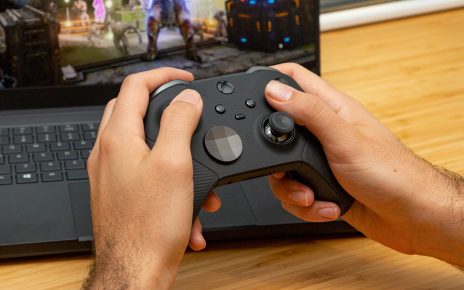
Fear works differently in games than it does anywhere else. A horror movie controls the pace for you. A horror game hands you the controller and lets you walk toward the noise yourself, which is exactly why the genre has become one of the most consistently inventive corners of the entire industry. Developers keep finding new ways to make players feel unsafe, whether that’s stripping away your ability to fight back entirely or putting a genuinely intelligent threat in the room with you.
This list breaks horror games down by the specific kind of fear they’re built to deliver, because not every thrill seeker wants the same flavor of terror. Some of you want helplessness. Some want gore. Some want dread that lingers for days. There’s a category here for all of it.
Survival Horror: Resource Scarcity Meets Genuine Dread
Survival horror remains the genre’s backbone, built on the principle that limited ammo and health items create tension that endless firepower never can.
Resident Evil Requiem has set the standard for the genre in 2026. Released February 27 for PS5, Xbox Series X|S, Windows, and Nintendo Switch 2, it follows dual protagonists FBI analyst Grace Ashcroft and franchise veteran Leon S. Kennedy, and it sold 5 million copies within five days of launch before surpassing 7 million units within two months, making it the fastest-selling Resident Evil game in franchise history. The game lets players shift between first and third-person perspective at any point, which means you decide exactly how close you want to get to its new stalker enemy.
Fatal Frame II: Crimson Butterfly Remake strips away conventional weapons entirely. Your only defense is the Camera Obscura, a camera that exorcises spirits, and the most effective shots require letting ghosts get dangerously close before you act, creating a specific psychological dread that few other games match.
| Game | Core Mechanic | Fear Style |
|---|---|---|
| Resident Evil Requiem | Perspective-switching survival action | Stalker tension, body horror |
| Fatal Frame II: Crimson Butterfly | Camera-based spirit exorcism | Vulnerability, folklore dread |
Helplessness Horror: When You Can’t Fight Back
The strongest fear in gaming often comes from removing combat entirely, forcing you into hiding, running, and avoidance instead of confrontation.
Outlast remains a reference point for this category years after release, sending you into a nightmarish asylum armed with nothing but a night-vision camera that drains batteries fast, while you sneak past deranged inmates and hide in lockers praying the screen doesn’t go black at the worst moment.
Alien: Isolation built its reputation on enemy intelligence rather than scripted scares. The Xenomorph actively hunts, checks hiding spots, and sometimes baits players by leaving a room only to return the moment it seems safe, which is the exact kind of unpredictable threat behavior that makes helplessness horror so effective.
Decrepit, a dark fantasy first-person Soulslike horror game inspired by classic titles like Hexen, raises the stakes further: messing up means starting over without your gear, with the game emphasizing spatial mastery and memorization over any kind of power progression.
Psychological Horror: Fear That Lives in Your Head
Psychological horror trades jump scares for dread that builds slowly and lingers long after you put the controller down.
Silent Hill 2 continues to be cited as the genre’s high-water mark. Following James’s journey to find his wife is both unsettling and genuinely depressing, and whether you play the original’s fixed camera angles or the remake’s over-the-shoulder perspective, the emotional weight of the story does as much work as any monster design.
Alan Wake 2 stands out for its dual-campaign structure and willingness to take genuine narrative risks. It’s widely considered a marvel of video game storytelling, with haunting forest sequences, major plot twists, and punishing boss battles that reward players who already know the original game’s story.
Cosmic and Folklore Horror: Dread Beyond Human Scale
Some of the most unsettling horror games draw their fear from forces too large or alien to fully comprehend, rather than from any single monster chasing you down a hallway.
The Sinking City 2 dials up cosmic dread inside the flooded city of Arkham, blending survival-horror staples like inventory management and backtracking with Deep Ones, Mi-go, and occult zealots pulled straight from Lovecraftian fiction.
Clive Barker’s Hellraiser: Revival combines survival horror combat with a magical cube that casts elemental spells, set in a deliberately grotesque world built around cosmic and body-horror imagery that pushes well past typical genre boundaries.
Luna Abyss takes a genuinely unusual approach, mixing first-person bullet-hell shooting mechanics with cosmic horror set in the ancient ruins of Greymount, releasing for PC, PS5, and Xbox Series X|S.
Co-op Horror: Sharing the Scares
Horror doesn’t have to be a solitary experience, and several recent titles are built specifically around the dynamic of facing threats alongside friends.
Dark Hours plays more like Payday meets Phasmophobia than the Lethal Company-style format most co-op horror games default to. You evade several distinct monster classes, including a Lovecraftian cephalopod and a beastly cryptid, with the goal of escaping with all your limbs intact and ideally some loot to show for it.
Aliens: Fireteam Elite 2 leans fully into action, dropping a squad of Colonial Marines onto a planet that needs clearing of Xenomorphs, now supporting four-player squads with a new Specialist class that lets you borrow abilities to build a custom loadout.
Halloween: The Game, built by Illfonic and Gun Interactive, puts one player in Michael Myers’s mask hunting survivors in 1v4 asymmetrical multiplayer, while the other four scavenge for weapons and try to convince neighbors they’re in real danger.
Indie and Analog Horror: Smaller Budgets, Sharper Scares
Some of the most original horror experiences right now come from smaller studios working with unconventional formats rather than big-budget production values.
| Game | What Makes It Distinct |
|---|---|
| Lily’s World XD | Analog horror navigated entirely through a fictional laptop interface |
| Tenebris Somnia | 8-bit horror interspersed with live-action cutscenes |
| Springs, Eternal | Lo-fi first-person exploration evoking late-’90s game design |
| Grave Seasons | Cozy farming sim hiding a serial killer beneath its idyllic surface |
These titles prove that scares don’t require massive production budgets. A well-executed concept, like exploring someone’s laptop or running a farm in a town with a killer, can be just as unsettling as a fully rendered nightmare asylum.
Choosing Your Horror Style: A Quick Reference
Fear is subjective, and the right game depends entirely on what kind of dread you’re chasing.
If you want maximum vulnerability: Choose helplessness horror like Outlast or Alien: Isolation, where you genuinely cannot fight back.
If you want story that stays with you: Choose psychological horror like Silent Hill 2 or Alan Wake 2, where the emotional weight outlasts any individual scare.
If you want gore and action together: Choose survival horror like Resident Evil Requiem, which balances genuine scares with empowering combat.
If you want to scream with friends: Choose co-op horror like Dark Hours or Aliens: Fireteam Elite 2, built specifically for group play.
If you want dread on a cosmic scale: Choose titles like The Sinking City 2 or Hellraiser: Revival, where the horror is bigger than any single monster.
Find Your Next Scare with Johntole
Horror gaming keeps evolving in directions that genuinely surprise even longtime genre fans, from cosmic dread to farming sims with a body count. Johntole tracks the releases, mechanics, and trends defining what’s actually worth playing in the dark. Explore our latest horror coverage and find the game that’s going to keep you up tonight.
Frequently Asked Questions About Horror Video Games
What is the scariest horror game right now?
Fear is subjective, but Fatal Frame II: Crimson Butterfly Remake and games built around helplessness mechanics like Alien: Isolation consistently rank among the most effective at sustaining genuine fear, because they remove your ability to fight back and replace it with vulnerability. Resident Evil Requiem leans more toward action-horror balance, which makes it intense but slightly less purely terrifying than titles built entirely around helplessness.
What’s the difference between survival horror and psychological horror?
Survival horror centers on resource management and physical threats, where limited ammo, health items, and dangerous enemies create tension through scarcity. Psychological horror focuses on mental and emotional unease, often using unreliable narrators, disturbing atmosphere, or unsettling storytelling rather than constant physical danger. Many modern games, including Resident Evil Requiem and Silent Hill 2, blend both approaches rather than sitting purely in one category.
Are co-op horror games actually scary, or just fun with friends?
Both, depending on the game. Titles like Dark Hours maintain genuine tension because individual monster classes still pose real threats and a single mistake can end your run, but playing with friends naturally diffuses some fear through shared reactions and laughter. If you want to stay genuinely scared, single-player titles like Outlast or Fatal Frame remove that social safety net entirely.
Why does enemy intelligence matter so much in horror games?
Predictable enemies become manageable once you learn their patterns, which kills tension over repeated playthroughs. Enemies that actively search, adapt, or behave unpredictably, like the Xenomorph in Alien: Isolation, keep every encounter feeling genuinely unsafe because you can never fully memorize a script. This is one of the clearest differences between horror games that stay scary on a second playthrough and ones that don’t.
Do I need to play earlier games in a series before starting a sequel like Alan Wake 2?
For narrative-heavy horror sequels, yes, it significantly improves the experience. Alan Wake 2 specifically rewards players who already understand the original game’s plot and characters, since much of its tension comes from twists that build on established narrative threads. Games with more standalone structures, like most entries in the Resident Evil series, are generally more approachable without prior series knowledge.
What horror games are best for someone who scares easily but still wants to try the genre?
Start with titles that lean on atmosphere and story over constant jump scares or high-stakes survival mechanics. Indie and analog horror titles tend to ease players in more gently than full survival horror franchises, since the format itself creates curiosity rather than constant dread. Building up from there toward genre staples like Resident Evil or Silent Hill lets you adjust to the pacing and tension style before tackling games built specifically to maximize fear.